The people behind the Autumn Budget 2026
A new Prime Minister and Chancellor will oversee the Autumn Budget on 28 October. We look at Andy Burnham and John Healey, and the announcements made during the government’s opening weeks.
The value of investments can fall as well as rise and that you may not get back the amount you originally invested.
Nothing in these briefings is intended to constitute advice or a recommendation and you should not take any investment decision based on their content.
Any opinions expressed may change or have already changed.
Written by The Bestinvest Team
Published on 07 Aug 20264 minute read
When the Autumn Budget takes place on Wednesday 28 October 2026, it will be the first delivered under new Prime Minister Andy Burnham and his recently appointed Chancellor, John Healey.
It’s an unusual start for the new government, with Burnham having become both an MP and Prime Minister within the space of a few weeks. While the full details of the Budget are yet to emerge, the government has already begun to set out its wider priorities. Here, we look at the key figures behind this year’s Autumn Budget and what they talked about following their appointment that could give us clues about what could be contained in the Budget.
Andy Burnham, Prime Minister
Andy Burnham became Prime Minister on 20 July 2026, four days after being elected leader of the Labour Party.
He first entered Parliament as the MP for Leigh in 2001. Before becoming Mayor of Greater Manchester, Burnham held a series of senior government roles under Tony Blair and Gordon Brown, including Chief Secretary to the Treasury, Secretary of State for Culture, Media and Sport and Secretary of State for Health.
In opposition, he served as Shadow Health Secretary, Shadow Education Secretary and Shadow Home Secretary. He also stood for the Labour leadership in 2010 and 2015.
Burnham left Parliament after being elected Mayor of Greater Manchester in 2017 and was re-elected in 2021 and 2024. His experience championing greater powers for local leaders may help explain why devolution and regional growth are expected to feature prominently in this year's Budget.
He returned to the House of Commons as the MP for Makerfield in June 2026, before becoming Labour leader and Prime Minister the following month.
Burnham’s first announcements
In his first speech as Prime Minister, Burnham said his government would seek to move political power away from Westminster and pursue a more collaborative approach to government. He also placed regional growth, reindustrialisation and the cost of living among his early priorities.
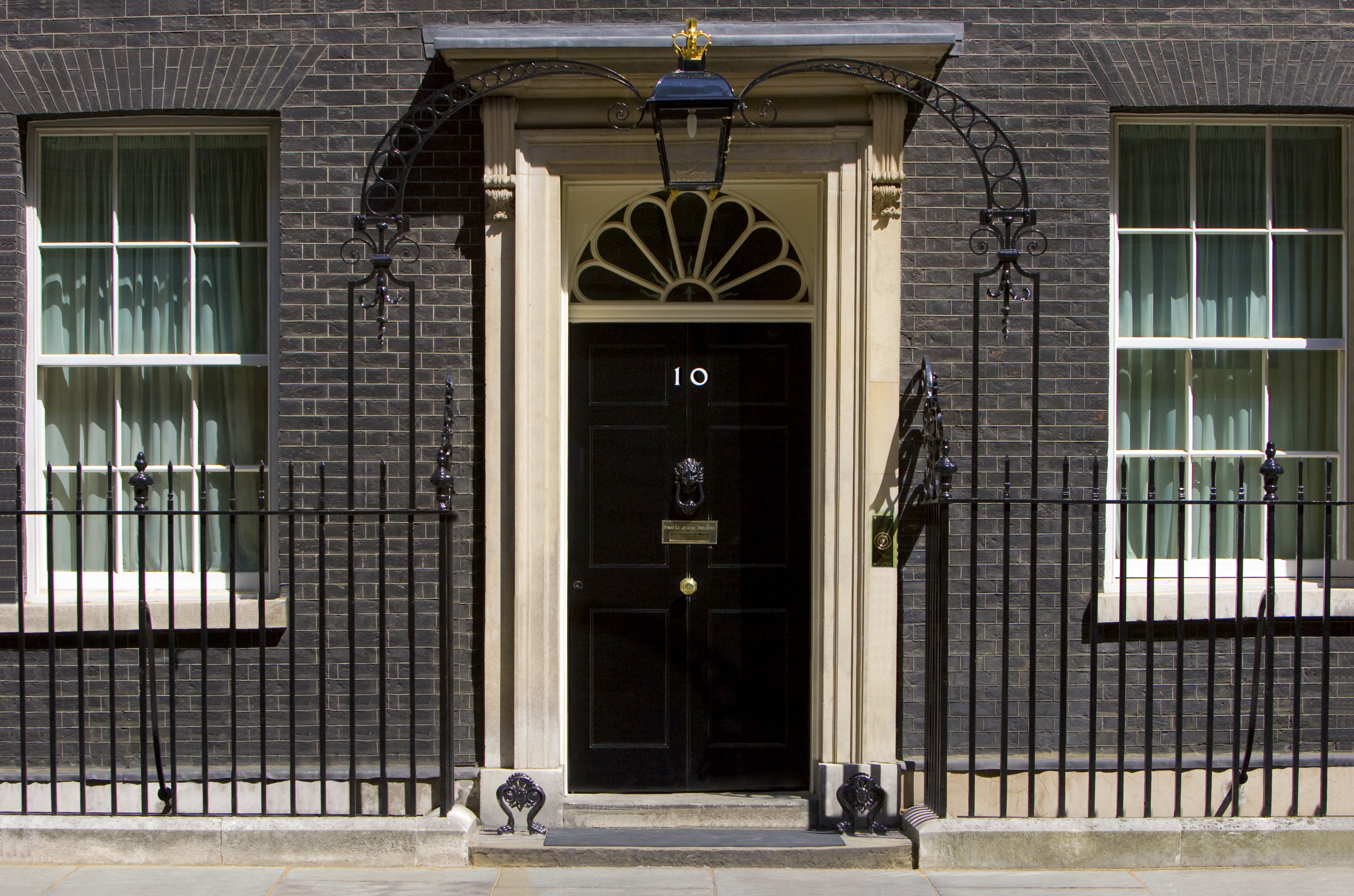
Among the government’s first announcements was a temporary removal of value added tax (VAT) from electricity bills and reductions on business rates for pubs, social clubs and live music venues across England from April next year. Burnham also established ‘No.10 North’, a government base in Manchester intended to support decision-making and increase the government’s presence outside London.
He’s also covered education and employment, announcing plans to place greater emphasis on technical and vocational education, with schools, colleges, employers and local leaders working together to develop routes into skilled employment.
Burnham has also brought forward work on adult social care. The government has accelerated the timetable for the independent commission led by Baroness Louise Casey, which is now expected to report next summer rather than in 2028. It has also opened cross-party talks and launched a public consultation on the future of social care.
John Healey, Chancellor of the Exchequer
John Healey was appointed Chancellor on 20 July 2026. This will be his first Budget, alongside an updated economic and fiscal forecast from the Office for Budget Responsibility.
Healey has been an MP since 1997 and currently represents Rawmarsh and Conisbrough in South Yorkshire.
His appointment marks a return to the Treasury. Between 2002 and 2007, Healey served first as Economic Secretary and then as Financial Secretary to the Treasury. His responsibilities during that period included financial services, taxation and public finances.
He subsequently served as Local Government Minister and Housing Minister. In opposition, he held several frontbench positions, including Shadow Health Secretary, Shadow Housing Secretary and Shadow Defence Secretary.
Following the 2024 general election, Healey was appointed Secretary of State for Defence, a position he held until June 2026.
In his first speech to Treasury officials as Chancellor, Healey described the Treasury as an institution responsible for stability, security and growth. He said the government’s immediate task was to improve living standards, support communities and operate in what he described as a more challenging international environment.
Healey has confirmed that the Autumn Budget will comply with the government’s fiscal rules. He has also said it will focus on moving greater financial and political power out of Westminster, although the detailed tax and spending measures will not be known until the Budget is delivered.
What to expect under the new leadership
The Prime Minister will set the government’s overall direction, while the Chancellor will be responsible for translating its priorities into decisions on taxation, borrowing and public spending. Their first Autumn Budget together will provide the clearest account so far of how those priorities will be funded and delivered.
Stay informed ahead of the Autumn Budget
Budget announcements can have implications for your savings, investments and long-term financial plans. Taking time to review your finances before major policy changes are introduced can help you stay on track towards your goals.
If you'd like to discuss your investment strategy or wider financial plans, our Coaches are here to help.
If you’re a Bestinvest client you can book a session with a Coach through your online account or via the app.
Please note: our Coaches do not provide personal financial advice.